AI Guard
Lorem Ipsum is simply dummy text of the printing and typesetting industry.
How to Protect Your Voice from AI Cloning: A Creator’s Guide to Voice, Brand, and Identity Protection
Quick Answer: To protect your voice from AI cloning, limit access to clean voice files, add AI-use restrictions to contracts, verify urgent voice requests through a second trusted channel, use a private safe phrase, monitor impersonation, and protect the brand assets tied to your creator identity.
Your everyday speaking voice is not automatically a trademark. However, names, show titles, slogans, signature phrases, logos, and audio marks may support a broader trademark protection strategy if they identify your goods or services.
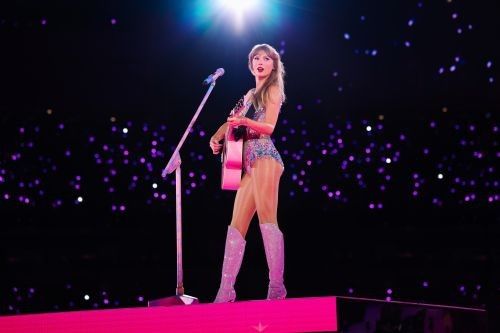
Taylor Swift Trademarks Voice and Image Against AI Impersonation
Taylor Swift has filed three new trademark applications with the USPTO covering her spoken voice and visual likeness — part of a growing celebrity strategy to use federal trademark law as a weapon against AI-generated impersonations.
Right of Publicity and AI: How to Protect Your Name, Image & Voice From Unauthorized Use

AI can now copy your name, voice, and image without your permission — and use them for commercial gain before you even find out. This guide breaks down the legal tools available to creators, business owners, and individuals to protect their identity from AI misuse.
Explore More Blogs About AI Guard
Find more easy-to-understand articles to help you protect your name, logo, and creative work.

How AI Guard Protects Your Voice, Image, and Brand From AI Impersonation
Quick Answer: AI Guard helps creators, founders, and businesses monitor for AI impersonation involving their voice, image, name, logo, or online identity. It supports AI voice and image protection by helping spot fake profiles, deepfake image misuse, AI voice cloning risks, and brand impersonation signals so you can respond faster.
How to Protect Your Voice from AI Cloning: A Creator’s Guide to Voice, Brand, and Identity Protection
Quick Answer: To protect your voice from AI cloning, limit access to clean voice files, add AI-use restrictions to contracts, verify urgent voice requests through a second trusted channel, use a private safe phrase, monitor impersonation, and protect the brand assets tied to your creator identity.
Your everyday speaking voice is not automatically a trademark. However, names, show titles, slogans, signature phrases, logos, and audio marks may support a broader trademark protection strategy if they identify your goods or services.
Taylor Swift Trademarks Voice and Image Against AI Impersonation
Taylor Swift has filed three new trademark applications with the USPTO covering her spoken voice and visual likeness — part of a growing celebrity strategy to use federal trademark law as a weapon against AI-generated impersonations.
Right of Publicity and AI: How to Protect Your Name, Image & Voice From Unauthorized Use
AI can now copy your name, voice, and image without your permission — and use them for commercial gain before you even find out. This guide breaks down the legal tools available to creators, business owners, and individuals to protect their identity from AI misuse.

Can I Trademark My Voice or Image to Stop AI from Stealing My Likeness?
AI deepfakes threaten creators' voices and images. Trademark sound/motion marks offer federal protection against commercial misuse, as McConaughey showed in 2026.
Featured Trademark Engine Guides
Clear, beginner-friendly guides that explain trademarks and copyrights in simple terms — so you know exactly what to do next.

Travis Crabtree
Co-Founder
Your Code Might Not Be Yours Anymore. Your Brand Still Is.
Nearly 90% of developers now use AI coding tools — but AI-generated code may be impossible to copyright under current US law. Here's why your brand name is now your most defensible asset, and what founders and engineers should do about it.

What Buc-ee's v. Beaver's Mini Mart Teaches Every Small Business About Its Name
Buc-ee's is suing a small Ohio store called Beaver's Mini Mart. Travis Crabtree breaks down what the case teaches small business owners about choosing and protecting a name before a lawsuit arrives.

Can You Use AI to Register a Trademark?
You can use AI to help prepare a trademark application, but AI can't file it or sign it for you. The USPTO requires a real person with a verified USPTO.gov account to submit and sign — and that person is responsible for everything in it.

Trademark Engine Editorial Team
How to Respond to a Section 2(d) Likelihood-of-Confusion Refusal
A Section 2(d) refusal means the USPTO believes your mark is likely to be confused with an existing registered mark. Learn what it means, how examiners weigh the DuPont factors, and the five main ways applicants respond before the deadline.

Can You Trademark a Recipe? (How to Protect Food & Drink Brands)
Quick Answer: You generally cannot trademark a recipe's ingredients or cooking method. However, you may be able to trademark its distinctive brand name or logo. Copyright may protect original recipe writing and photographs, while trade secret law can protect a valuable formula kept confidential.

How to Trademark a Photography or Design Studio Name
Quick Answer: To trademark a photography or design studio name, choose a distinctive name, search for existing trademarks, identify the correct service class, and apply through the USPTO. Photography services generally fall under Class 41, while graphic design services fall under Class 42.


Trademark Engine
What Happens If Another Brand Copies Your Supplement Name?
Quick Answer: If someone copies your supplement name, preserve evidence before contacting the seller. Confirm your earlier commercial use, compare the names and products, document customer confusion, and assess the strength of your rights. Your options may include direct contact, a cease-and-desist letter, an Amazon infringement report, negotiation, or formal legal action.
Intent to Use vs. Use in Commerce for Supplement Trademarks
Quick Answer: Choose Section 1(a) when your supplement trademark is already in qualifying use in commerce. Choose Section 1(b) when the supplement has not launched, but you have a genuine plan to use the mark. An intent-to-use application can be filed before sales or completed manufacturing, but registration cannot issue until acceptable use is later demonstrated.
Supplement Brand Trademark Checklist: What to Do Before Launch
Quick Answer: Before launching a supplement brand, finalize the exact mark, search for similar trademarks and marketplace uses, confirm the legal owner, list the launch products, review classes and product descriptions, check the packaging, and gather the information needed for filing. Complete the highest-risk checks before ordering large quantities of labels, packaging, or inventory.




Ginger Petrus
Content Marketing Manager
Get Trademark Tips and Compliance Guidance
Subscribe for updates, insights, and resources delivered straight to your inbox.