Buying a Business? A Trademark Due Diligence Checklist Before You Sign

Published on November 9, 2026 | Updated on November 18, 2026
Estimated Read Time: 10 minutes

Key Takeaways
- Confirm that the seller owns or can legally transfer the business's trademarks.
- Check federal registration status and upcoming maintenance deadlines.
- Review assignment records, licensing agreements, and legal disputes.
- Search for similar trademarks that could affect future brand use.
- Ensure the purchase agreement identifies the rights being acquired.
Quick Answer: Before buying a business, use a trademark due diligence checklist to verify brand ownership, registration status, transfer rights, and potential disputes. Check USPTO records and supporting agreements to confirm that the trademarks you expect to acquire are included in the purchase.
According to the U.S. Small Business Administration's February 2026 report, the United States has over 36.2 million small businesses, representing 99.9% of all U.S. businesses. For entrepreneurs buying an established company, its brand name and reputation can be valuable assets.
However, purchasing a business does not necessarily mean acquiring all the trademarks associated with it.
A registered mark might belong to the founder, face an ownership dispute, or carry restrictions that affect its transfer.
This guide explains how to examine trademark records, identify potential problems, request essential documents, and protect your investment before signing a business purchase agreement.
What Is Trademark Due Diligence When Buying a Business?
Trademark due diligence means examining the trademark rights associated with a business before completing an acquisition.
Its purpose is to determine whether those rights exist, who controls them, and whether they support the buyer's intended business activities.
The review focuses on three factors:
- Ownership: Whether the seller has the authority to transfer the mark.
- Legal Protection: Whether the trademark is registered, actively used, and protected for relevant goods or services.
- Transfer Conditions: Whether existing agreements or legal restrictions affect the transaction.
Under U.S. law, trademark rights are connected to commercial use and the goodwill associated with the brand.
The USPTO's trademark basics guidance explains how trademarks identify the source of goods or services.
Trademark Due Diligence Checklist: 8 Steps Before Signing
A trademark review should cover ownership, registration records, commercial use, and contractual obligations. The following steps help buyers examine each area before completing a business purchase.
1. Identify All Trademarks Associated With the Company
Start by requesting a complete list of registered, pending, and unregistered trademarks the business owns or uses.
Include:
- Business and product names
- Logos and slogans
- Federal and state trademark registrations
- Pending applications
- Brand variations used commercially
Compare the list with the company's product packaging, website, advertising, and marketplace listings.
For example, an ecommerce store might operate several product brands but hold federal registration for only its main business name.
Buyer Action: Create an inventory identifying each mark, its owner, and whether it is included in the proposed transaction.
2. Verify the Current Legal Owner
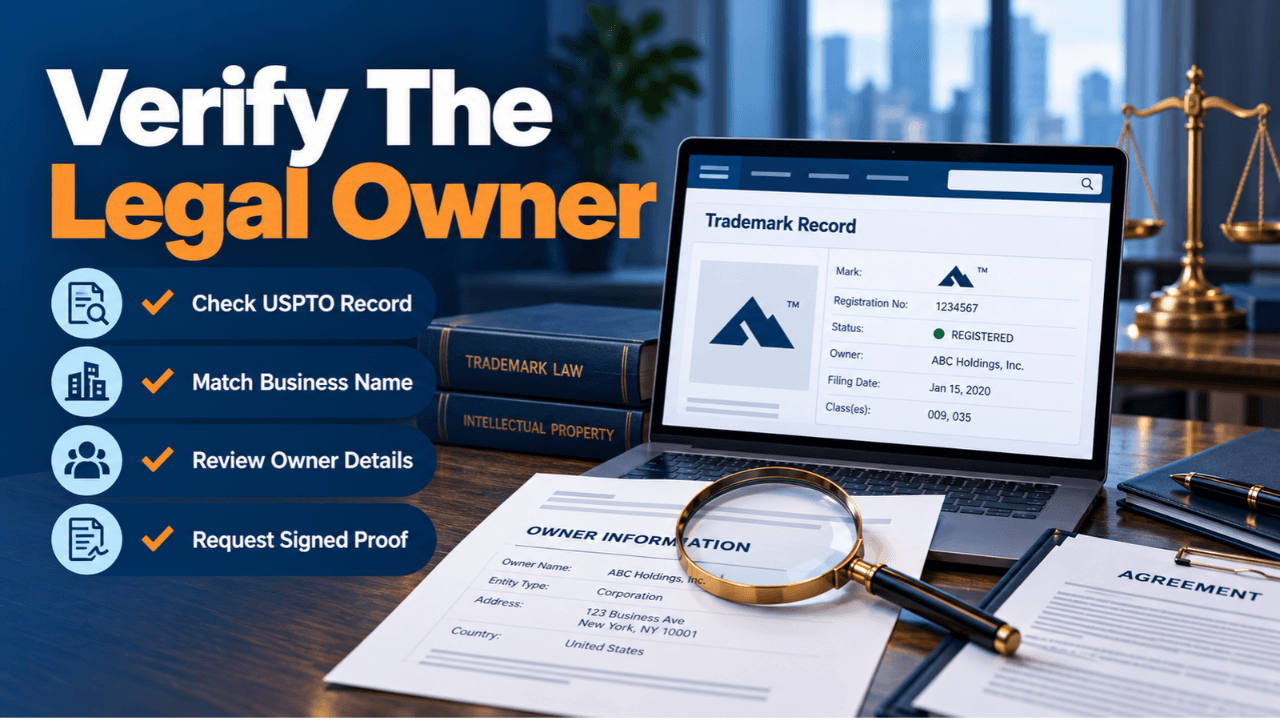
The business seller may not be the registered trademark owner.
A founder might have registered the brand personally before forming the company. Alternatively, a related entity or previous owner could hold the rights.
To verify trademark ownership before buying a company:
- Request the trademark serial or registration number.
- Open the USPTO Trademark Status and Document Retrieval system.
- Enter the number and check the owner information.
- Compare the record with the seller's legal business name.
- Investigate any difference using signed ownership documents.
The USPTO's assignment guidance explains how ownership changes can be recorded.
Buyer Action: Obtain supporting evidence when the listed owner differs from the party selling the business.
USPTO recordation alone does not establish that every underlying ownership transfer was legally valid.
3. Examine Registration Status and Trademark Coverage
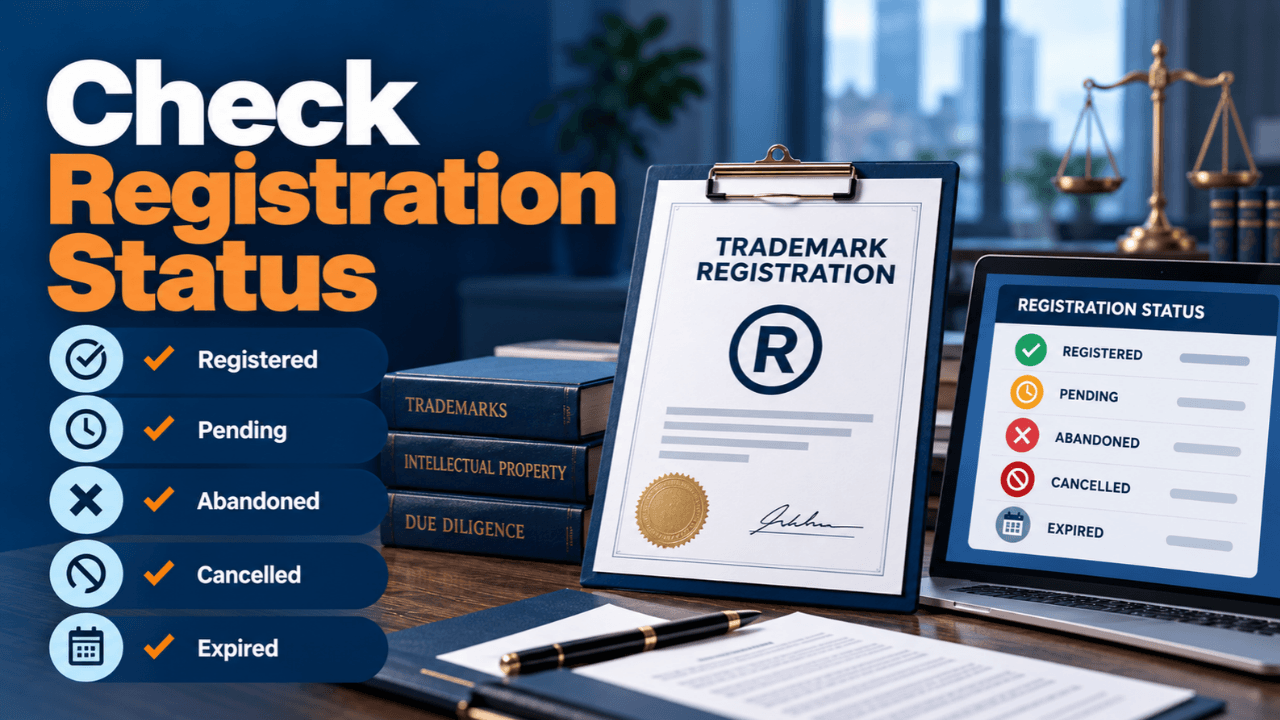
A trademark may be registered, pending, abandoned, canceled, or expired. Each status has different implications.
Review the USPTO record to determine:
- Current application or registration status
- Covered goods and services
- Filing history and outstanding requirements
- Relevant registration limitations
Pay particular attention to whether the registration covers the products the company actually sells.
For example, a clothing trademark registration does not automatically protect an unrelated cosmetics line.
Buyer Action: Save the current registration record and identify any gaps between existing protection and planned business activities.
4. Review Previous Assignments and Ownership History

A trademark assignment transfers ownership rights between parties.
If the business has changed owners, examine the signed agreements documenting those transfers. This is known as the chain of title, meaning the documented history of trademark ownership.
Under U.S. trademark law, assignments generally must include the goodwill associated with the mark.
Goodwill refers to customer recognition and commercial reputation associated with the brand.
Certain pending intent-to-use applications also face special transfer restrictions before qualifying use requirements are met.
Buyer Action: Have an attorney investigate missing documents, conflicting ownership information, or unusual assignment terms.
5. Conduct a Comprehensive Trademark Search
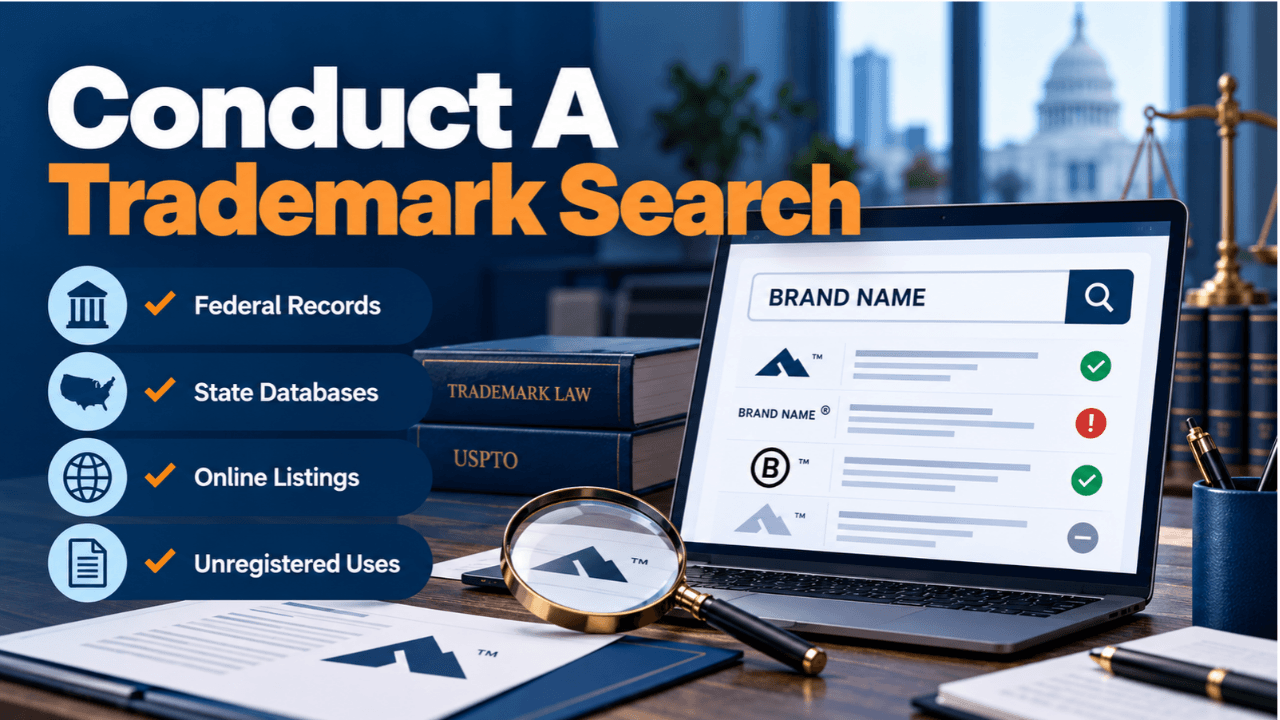
An existing registration does not eliminate the possibility of conflicts with other businesses.
Search for similar names or logos used with related goods or services.
According to the USPTO's clearance-search guidance, trademark searches should extend beyond federal registrations because unregistered commercial use may also create rights.
A broader investigation may include:
- Federal trademark records
- State trademark databases
- Online business listings
- Ecommerce marketplaces
- Relevant unregistered brand uses
Similarity in appearance, sound, meaning, or commercial impression may be important when evaluating a potential conflict.
Buyer Action: Investigate potentially confusing marks before relying on the acquired brand for future expansion.
For additional research, consider Trademark Engine's comprehensive trademark search.
6. Check Commercial Use and Registration Maintenance

Trademark registrations require ongoing attention after approval.
Ask the seller for recent evidence showing how the mark appears on products, packaging, websites, or service advertisements.
For most U.S. registrations not based on the Madrid Protocol, the USPTO generally requires maintenance filings:
- Between the fifth and sixth years after registration
- Between the ninth and tenth years
- Every ten years afterward
The USPTO's registration maintenance guidance explains these filing windows and the requirements for continued protection.
Different requirements apply to Madrid Protocol registrations.
Buyer Action: Check whether upcoming deadlines or incomplete filings could affect the acquisition.
7. Investigate Disputes and Third-Party Restrictions
A trademark may be registered but subject to agreements or claims that affect its commercial use.
Request information about:
- Trademark infringement claims
- Opposition or cancellation proceedings
- Licensing and coexistence agreements
- Settlement restrictions
- Security interests involving trademark assets
Public proceedings may be available through the USPTO's Trademark Trial and Appeal Board.
However, private agreements and unresolved correspondence may not appear in public records.
Buyer Action: Request written disclosures and evaluate restrictions that could interfere with planned business operations.
8. Confirm the Trademark Transfer in the Purchase Agreement
The purchase agreement should clearly identify which trademark rights the buyer will receive.
The process depends partly on whether the transaction involves purchasing assets or acquiring ownership interests in a company.
| Asset Purchase | Stock Purchase |
|---|---|
| Buyer acquires specified business assets | Buyer acquires shares or equity interests |
| Separate trademark assignments may be necessary | Company-owned trademarks may remain with the entity |
| Included marks should be identified individually | Existing company liabilities require review |
| Focus on transfers and associated goodwill | Focus on ownership and contractual restrictions |
A trademark personally owned by a founder may require separate documentation under either structure.
Buyer Action: Confirm that relevant marks, necessary signatures, transfer obligations, and closing conditions appear in the agreement.
Trademark Documents to Request When Buying a Business
Request records that help establish ownership, confirm legal protection, and disclose obligations affecting the trademarks.
| Document | Purpose |
|---|---|
| Registration certificates | Identify registered marks and covered goods or services |
| Pending application records | Verify filing status and unresolved USPTO matters |
| Assignment agreements | Establish previous ownership transfers |
| Licensing agreements | Identify third-party permissions and restrictions |
| Maintenance filings | Review registration compliance and filing history |
| Evidence of commercial use | Confirm current use of the marks |
| Dispute correspondence | Reveal known claims or challenges |
| Security agreements | Identify potential creditor interests |
| Purchase agreement schedules | Confirm which brand assets are included |
The number of documents required depends on the size and complexity of the company's trademark portfolio.
A business operating multiple brands or selling internationally may require additional records.
Practical Tip: Organize the documents by trademark rather than by document type. This makes missing records and inconsistent ownership information easier to identify.
Trademark Risks in Business Acquisitions: What Should Buyers Do?
Common trademark risks in business acquisitions can affect brand value, legal protection, or continued commercial use.
Not every issue requires abandoning the transaction. Some concerns can be addressed through additional evidence, revised contract terms, or corrective action.
| Potential Problem | Why It Matters | Recommended Response |
|---|---|---|
| Canceled registration | Federal registration benefits may be lost | Investigate remaining rights and available options |
| Incomplete ownership records | Transfer validity may be uncertain | Request evidence and legal review |
| Similar third-party trademark | Continued use may face challenges | Assess priority rights and potential confusion |
| Pending infringement claim | Brand operations may be affected | Evaluate the claim before closing |
| Restrictive licensing agreement | Buyer may face limits on commercial use | Review terms and necessary consents |
The buyer should evaluate whether each problem can be resolved and how it affects the proposed purchase.
For serious ownership disputes or unresolved legal claims, an attorney can help assess possible remedies and contractual protections.
What Should Happen After the Acquisition?
After closing, the buyer should establish responsibility for managing the acquired trademarks and maintaining any registrations.
Important post-purchase tasks include:
- Confirm that required assignment documents were executed and recorded.
- Update owner or correspondence information where necessary.
- Set reminders for registration maintenance deadlines.
- Preserve evidence of continued trademark use.
- Review protection before introducing new products or brands.
The USPTO also advises trademark owners to monitor their registration records and maintain accurate information.
For ongoing maintenance needs, explore Trademark Engine's trademark renewal services.
A documented process helps keep trademark responsibilities organized as the acquired business grows.
Conclusion: Protect the Brand Before You Buy
Buying an existing business means evaluating more than its finances and customer base. Its trademark rights can affect the value and future use of the brand.
A thorough trademark due diligence checklist helps you understand ownership, registration status, and potential legal restrictions before closing. Reviewing the relevant records and agreements allows you to identify concerns early, seek appropriate legal guidance, and make a more informed investment decision.
Ready to Protect Your Brand?
Explore Trademark Engine's trademark search tools to identify potential conflicts. If you plan to introduce a new brand or protect additional products, learn about trademark registration.
For acquisition-specific ownership and contract questions, consult a qualified trademark attorney.
Disclaimer: This article provides general educational information about U.S. trademark law and business acquisitions. It is not legal advice. Consult a qualified attorney for transaction-specific questions regarding ownership, transfer, and contracts.
Trademark Engine Editorial Team
Frequently Asked Questions
The timeline depends on the number of trademarks, available records, and complexity of any legal issues. A simple portfolio may require less investigation than one involving multiple jurisdictions, owners, or disputes.
Yes. Trademark rights may arise through commercial use without federal registration. However, those rights can have geographic and other limitations that buyers should examine.
Not automatically. Domains and social media accounts are separate assets governed by applicable agreements and platform rules. Their transfer should be addressed in the purchase documents.
Not necessarily. An existing registration may continue under a valid transfer, subject to applicable requirements. New applications may be appropriate for additional marks or goods and services.
No. U.S. registration generally provides protection within the United States. Businesses operating internationally should review their trademark rights in each relevant country.
Buyers commonly pay for their own investigations and professional advisers. However, the parties may negotiate expenses related to corrective filings, ownership documents, or transfers.
Get Trademark Tips and Compliance Guidance
Subscribe for updates, insights, and resources that help you stay compliant and grow your mission.