US Trademark Strategy for International E-Commerce Brands
U.S. trademarks do more than create a legal record—they help international e‑commerce brands control how their name and products appear in a crowded market. You’re not only protecting your own brand; you’re also reducing the risk of costly conflicts with others.

Key Takeaways
|
Ever watched your brand get snatched by a U.S. reseller on Amazon while you scramble from overseas? U.S. trademark for international ecommerce sellers turns that nightmare into control, shielding your name amid cutthroat online wars. Where Cross-border selling moves fast, trademark protection in the United States often moves more slowly, and the gap is where copycats thrive.
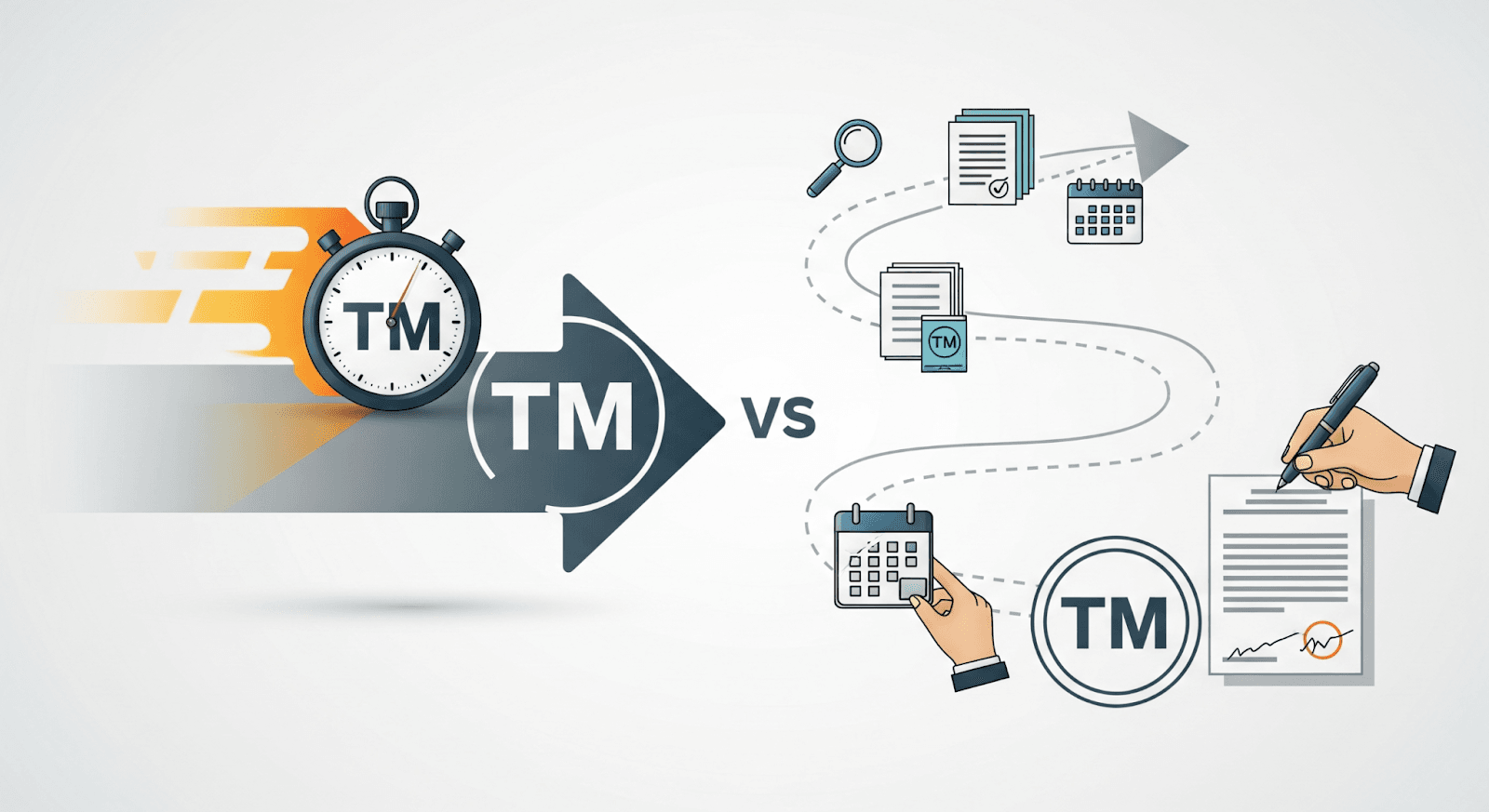
The USPTO’s own timeliness metrics show a target of about five months just to receive a first office action after filing. Due to these metrics, early planning becomes more than a legal detail. Along with this, foreign brands also face a hard rule, which is that if you are foreign-domiciled, you must use a U.S.-licensed attorney to handle USPTO matters.
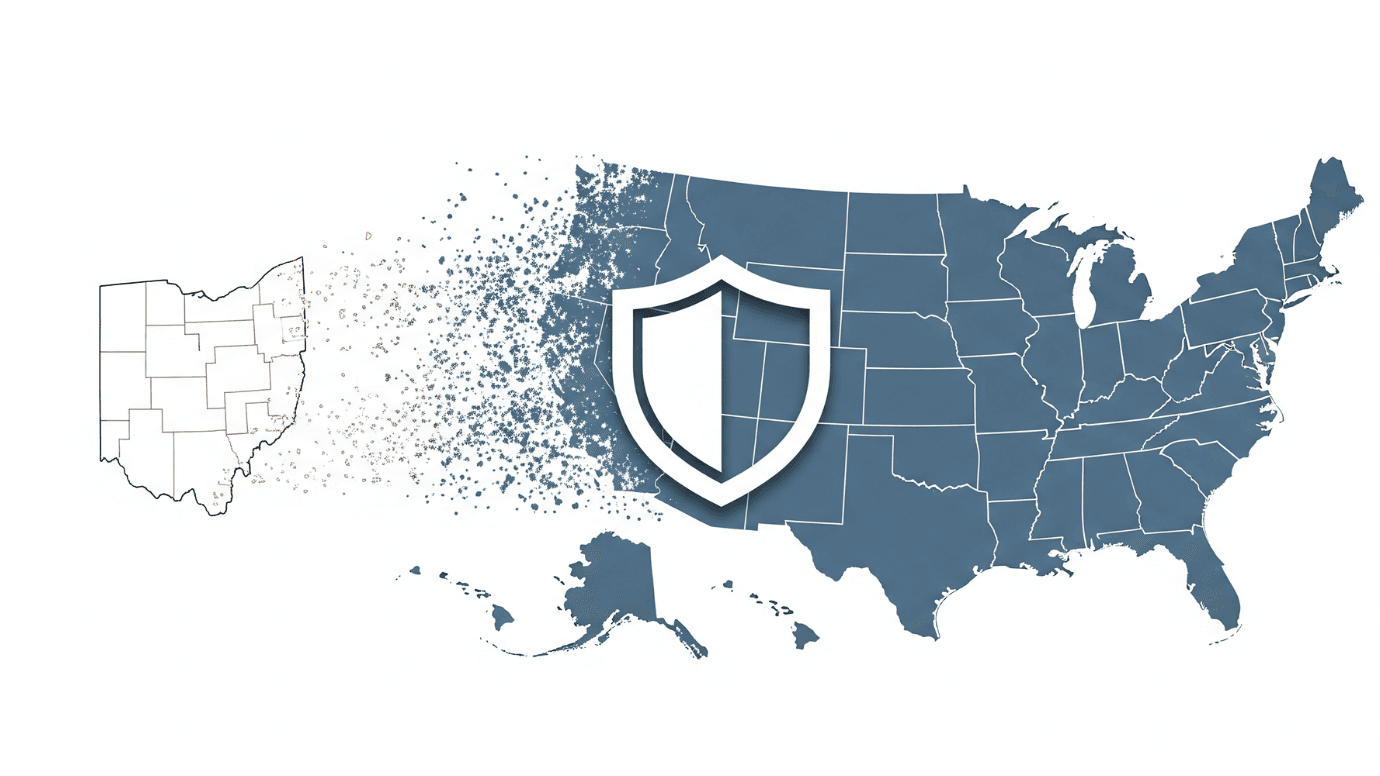
Most registrations take about 12–18 months, so product launches and platform goals should be scheduled with that reality in mind. Also, a federal registration will protect you in the U.S. and its territories, not worldwide.
To explore filing options and support, take a look at Trademark Engine's Trademark Registration service page.
Define the U.S. Trademark Goal
Before spending money or time, it is better to define what “winning” looks like in the U.S. market. A clear goal keeps the filing tight. It plays a vital role in keeping enforcement decisions consistent across Amazon, Shopify, and other channels.
The Brand Moat for Cross-Border Sales
Your trademark builds a moat. It builds a steady branding on U.S. Amazon pages or Shopify stores, ironclad product names across lines, and tools for takedowns or suits. A U.S. trademark strategy supports business outcomes and not only provides a framed certificate. USPTO hands registration but skips policing. It handles the registration through platforms or courts.
Use a Free Trademark Search to ensure the usage of a name. Also, step up to a Comprehensive Trademark Search before committing to packaging or inventory.
Trademark Vs Business Entity
A U.S. LLC or any business registration does not automatically give trademark rights. Trademark rights generally flow from use of a mark in connection with goods or services.
Build the Right Trademark Portfolio
A single filing is usually not enough for a brand with multiple SKUs, bundles, and product refresh cycles. A portfolio approach makes it easy for you to protect what actually drives sales.
Start With What is Strongest
A strong mark saves hassle down the road. Here's the strength ladder from top to bottom:
- Fanciful: Invented words like Kodak are toughest to beat.
- Arbitrary: Unrelated words like Apple for tech are rock solid.
- Suggestive: Hints at benefits like Netflix are strong.
- Descriptive: Direct labels like Vision Center are weak. They also need proof.
- Generic: Common terms like Shoes have almost no protection.
For trademark registration in the USA for non-residents, strong naming matters even more. This is because avoidable delays are costly across time zones and shipping cycles.
Word Mark Vs Logo Vs Storefront Assets
Start by treating your brand like a set of separate, protectable signals. Don't treat it as a single logo or name. Each type of trademark filing covers a different piece of what buyers see and remember.
- Word mark protects the name even if your logo changes.
- Logo mark protects the visual design as used.
Storefront assets, like your brand look and feel, can be protected in other ways. Your trademark should be the main protection for the brand name that customers search for.
Language, Transliteration, and Translation Risk
International brands often use words in languages other than English. They also use stylized characters or translated taglines. This can trigger extra requirements, including translation or transliteration statements. Sometimes they also trigger extra fees, depending on what the application includes.
If your name is written in a language other than English, plan your U.S. presentation early. This further helps the brand read consistently across labels, listings, and ads.
Map Protection to Goods and Services
A trademark strategy breaks down when your coverage is too small or is too big.
Scope is Tied to What You Sell
Trademark protection, in the U.S. system, is tied to specific goods and services. A brand name used for apparel is not automatically protected for cosmetics or software. This is especially important for international sellers. Those with wide catalogs, seasonal items, and private-label expansion.
E-commerce Category Design
A practical way to plan is to protect what matters most now, then add more as the brand grows.
- Focus first on top revenue categories and hero products.
- Skip long, vague lists that slow review and raise the chance of refusals.
- File more trademarks later, once new categories take off and pay off.
E-Commerce Evidence: Specimens That Survive Scrutiny
Many e-commerce brands assume a nice website screenshot is always enough. In reality, the USPTO looks closely at how your mark is shown and whether it clearly connects to the goods or services you claim.
Website and Marketplace Specimens
Strong specimens show your mark in a real buying context, not just as decoration, such as near the product image, price, and checkout area. The USPTO also explains what a proper specimen must show for both goods and services.
If you sell through marketplaces, keep your brand display consistent across listings, product photos, and detail pages so the connection is obvious. For help fixing evidence problems after filing, take a look at Office Action Response services.
Common Specimen Problems for Online Sellers
Most issues come from simple gaps:
- The mark appears on the page, but is not clearly tied to the product or service being offered.
- The page looks informational, not like a real point of sale
- The file or format does not meet USPTO submission rules.
It is better to review USPTO guidance on specimens before you scale. You can also reduce risk early by aligning how your brand appears online before you file.
Timing Strategy for International Brands
Timing is a competitive advantage when you are entering the U.S. with momentum. But when you file too late, you may have to spend months cleaning up preventable conflicts.
Priority Windows That Change Outcomes
International brands may be able to claim a priority window tied to foreign filings. One key concept is the six-month priority window that can preserve an earlier foreign filing date under certain routes.
Plan Around Processing Reality
For planning purposes, assume a long runway. The USPTO notes that the process usually takes 12–18 months, and the actual timing varies by case. For more granular timing, the USPTO posts stage-level processing wait times.
This answers those who want to know how long a US trademark registration takes for foreign applicants. In most cases, it is not fast, and scheduling should reflect that.
To protect the brand while you grow, look into Tademark Engine's Trademark Monitoring service early, especially if your listings are already live.
Refusal Risk: Design Out Common Blockers
Strategy plays a major role in reducing refusals. It reduces refusal probability by avoiding risky naming and by clearing conflicts. With stategy it becomes easy to take action before they become expensive problems.
Two Refusal Families to Anticipate
Watch these main traps:
- Conflicts with prior marks.
- Mark flaws like descriptiveness or generic terms.
Strong Mark Choices Reduce Friction
Weak, descriptive naming tends to invite more objections and narrower protection. Stronger naming choices can simplify the path and make enforcement more practical later. This is one of the simplest ways to keep trademark registration usa for non-residents from turning into a long, expensive loop.
Use of Correct Symbol For International Sellers
Symbols seem minor, but they become reasons behind delays and issues. They create issues on marketplaces where competitors report listings.
TM, SM, and ®
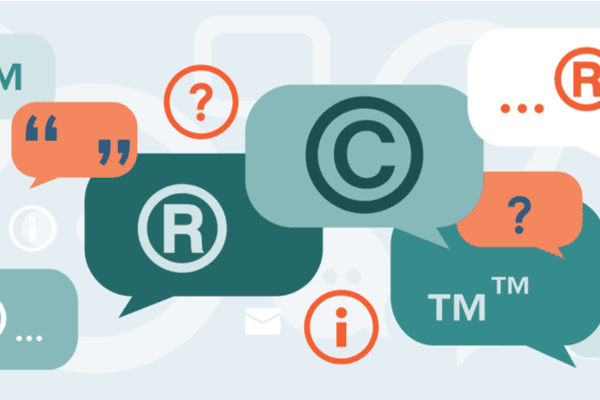
In general practice, a trademark or SM for services signals a claim to a mark. The registered symbol is reserved for marks that are federally registered. USPTO guidance explains the registration framework and how registration changes your position.
What It All Means
A U.S. trademark for international e-commerce brands starts with smart planning. The trademark strategy gives international e-commerce brands stability in a fast, noisy market. When you choose a strong name, it is better to map it to the right goods and services.
Want to protect your brand today with a U.S. trademark search and filing? Contact Trademark Engine today.
FAQs
Does an e-commerce website need a trademark?
A trademark is not required just to sell online, but it can strengthen nationwide rights and improve your ability to stop confusing brand use. This is why many ask: Do international sellers need a U.S. trademark? It depends on risk, scale, and the value of the brand in the U.S.
Can a foreigner register a trademark in the US?
Yes. Foreigners can own trademarks in the U.S. In general, foreign individuals and companies can seek U.S. registration. However, foreign-domiciled applicants must be represented by a U.S.-licensed attorney.
How long does trademark registration take in the USA?
The USPTO notes the process usually takes 12–18 months, though timing varies by case and workload. This is the planning baseline for how long trademark registration takes for foreign applicants as well.
How much does it cost to register a trademark in the US?
USPTO trademark fees are commonly per class. The base application fee model can include surcharges depending on completeness and complexity, and many applicants start from a $350 per class baseline.
Trademarket Blog
Everything you need to know about starting your business.
Each and every one of our customers is assigned a personal Business Specialist. You have their direct phone number and email. Have questions? Just call your personal Business Specialist. No need to wait in a pool of phone calls.