

Simple, Confident USPTO Trademark Registration
Over 100,000 trademarks registered with the USPTO through Trademark Engine
USPTO Trademark Filings Trusted By Hundreds of Thousands Just Like You
Attorney-Backed
Lifetime Support
100,000+ Trademarks Filed Since 2016
Simple 3 Step Process
A trademark registration solution just for you
Confidently file your trademark application with packages as unique as your brand.
fee
Just the basics to file with the USPTO
Benefits:
Federal and common law search to avoid direct matches
Application reviewed by a US-licensed attorney
Filed with the USPTO by our legal team
fee
File with more confidence and speed
Benefits:
Everything in Basic
Assigned to a dedicated attorney
15-minute consultation with your attorney to answer any questions
Rushed processing
Trusted Trademark Filings for 100,000+
USPTO-compliant • Tech-Forward • Human-Supported
Why File Your Trademark with Trademark Engine Instead of a Traditional Law Firm
Take advantage of our proprietary AI-Driven Engine supported by attorneys and support teams to file your trademark with the USPTO.
Trademark Engine
With packages starting at $49 + applicable fees, you'll save thousands.
Tech-focused to simplify trademark filings with human support.
No billable hours or surprise invoices. Know your costs upfront.
No driving to an office, no back-and-forth emails or calls just to schedule a meeting. Ready when you are and here when you want us.
Our USPTO-compliant process makes it easy and fast. Trademarks and copyrights are all we do.
Traditional Law Firms
$2,500 average cost for trademark clearance and filing per 2021 AIPLA Report of the Economic Survey 2021.
Built for the firm partners on a hundred-year-old model.
With billable hours, you don't know the cost until the work is done which can lead to surprises.
Scheduling, retainers, and in-person physical meetings are outdated.
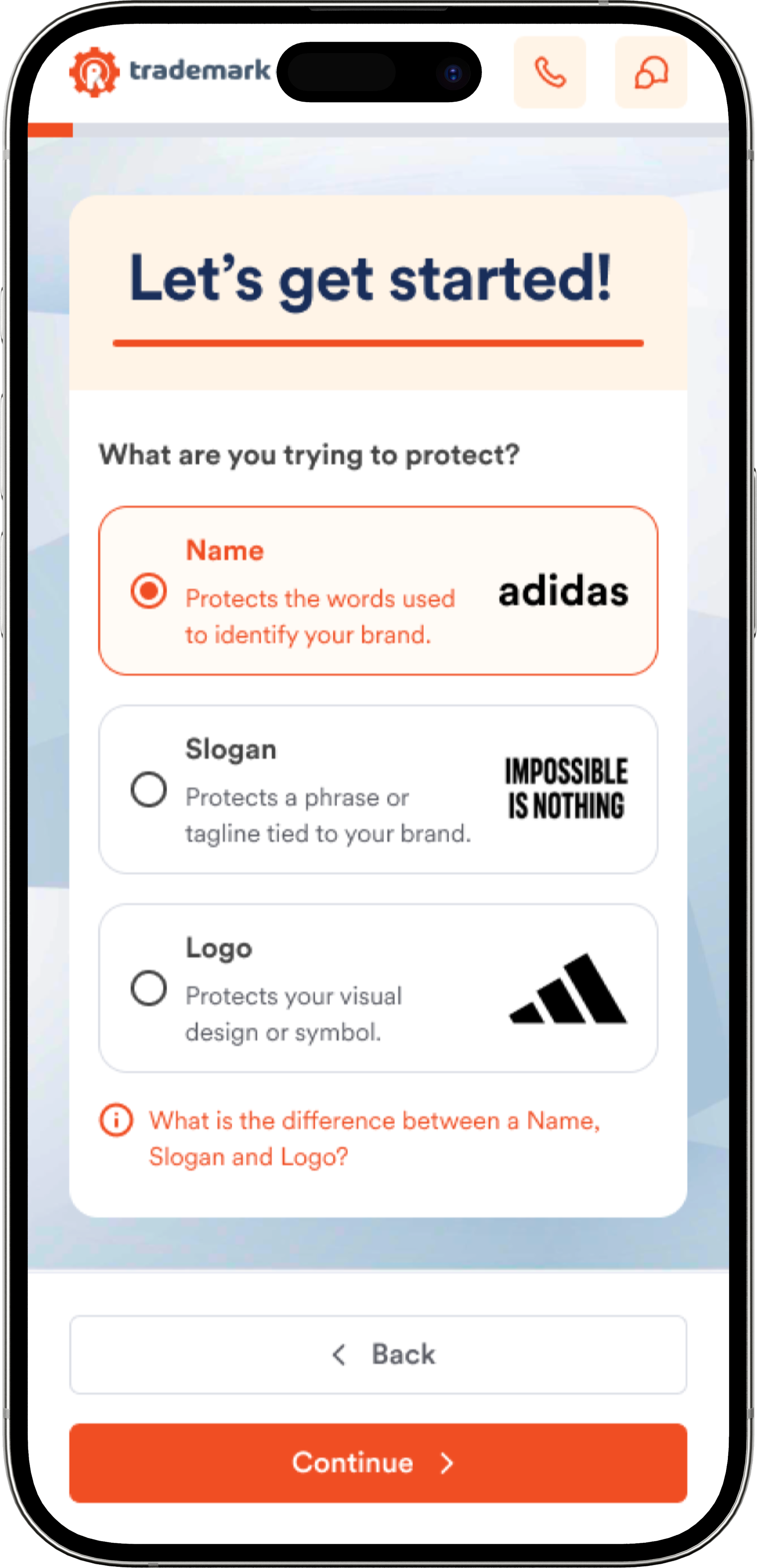
Trusted, Experienced, Simple
USPTO Trademark Registrations
Trademark Engine helps brands register trademarks with the USPTO through a simple, guided online process. We've done it for hundreds of thousands of others, and we can do it for you.
How Trademark Engine Works – 3 Easy Steps
Tell us about your brand
Get started with a few quick questions in less than 5 minutes.
We prepare your application
A US-licensed attorney will review your USPTO trademark registration application.
File with confidence
We submit your trademark application to the USPTO for you - ensuring completeness and accuracy.
USPTO Trademark Registration FAQs
Our team of experienced trademark professionals are ready to help. Call us at 1 (877) 721-4579.
Explore Our Resources
Trademark guides and Blog
Trademark Engine Vs Flat Fee Trademark: Which Online Trademark Service Is Better In 2026?

Short Answer: Trademark Engine and Flat Fee Trademark both help business owners move toward federal trademark registration, but they serve different filing preferences. Trademark Engine offers a digital, step-by-step filing path, while Flat Fee Trademark emphasizes early attorney involvement. The better fit depends on your mark, budget for USPTO fees, and how much guidance you want before filing.
Trademark Engine vs Markavo: Which Trademark Filing Service Is Better for Your Business?
Short Answer: Trademark Engine may be a stronger option for small business owners who want a structured online trademark filing experience with search and post-filing support options. Markavo may suit users who prefer a more attorney-involved service model. The right choice depends on your mark, filing complexity, and support needs.
Note: This comparison is for general information only and does not guarantee trademark registration or legal outcomes.
Trademark Engine Vs Rocket Lawyer: Which Trademark Filing Option Fits Your Brand In 2026?
Quick Answer: Trademark Engine and Rocket Lawyer can both help with trademark-related needs, but they serve different types of customers. If your main goal is filing and protecting a trademark, Trademark Engine offers a more trademark-focused path, while Rocket Lawyer is a broader legal-services platform.
What Cannot Be Trademarked? USPTO Rules, Examples, And Rejection Risks
Quick Answer: Not everything you use for your business can become a registered trademark. A mark must help customers identify the source of goods or services, not simply name, describe, decorate, or mislead.
Below, you’ll learn what the USPTO may reject, which trademark restrictions matter most, and how to choose a stronger mark before paying filing fees.
Why You Need a Trademark and Why You Should Use Trademark Engine
Your brand is one of your most valuable assets — but without a trademark, it's not legally yours. Here's why trademark protection matters and why Trademark Engine is the smartest way to get it done.
Fastest-Growing Trademark Classes in 2026–2027: Trends Small Businesses Should Watch
Quick Answer: The fastest-growing trademark classes in 2026–2027 reflect where business is moving now: AI services, digital products, regulated wellness categories, and online commerce. If you are building a modern brand, understanding these class trends can help you file more strategically, avoid unnecessary costs, and protect what you actually sell.
U.S. Trademark Filings in 2026: What the Latest USPTO Data Means Before You File
Quick Answer: U.S. trademark filing activity remains strong in 2026, but the bigger story is speed. The USPTO is processing applications faster than it did a year ago, even as filing demand stays high. This report explains what the latest trademark data means for your timeline, filing costs, class strategy, and filing decisions before you submit an application.
Trademark Dilution: What It Is, Who It Applies To, and Why Famous Marks Get Extra Protection
Quick Answer: Trademark dilution protects famous brands in a different way than ordinary trademark infringement. Even if customers are not confused, a business may still face legal risk if its branding weakens a famous mark’s distinctiveness or harms its reputation. If you are naming a new business, product, or service, this matters more than many founders think.
Strong vs Weak Trademarks: A Complete Guide to the Distinctiveness Spectrum
Service Mark vs Trademark: What’s the Difference?
Quick Answer: A service mark and a trademark do almost the same job, but they apply to different things. A trademark usually identifies goods, while a service mark identifies services. The confusing part is that the USPTO often uses “trademark” as the umbrella term for both.
My Trademark Is Expiring - What Happens If I Miss the Deadline?
Quick Answer: Missing a trademark renewal deadline doesn't just cost you extra fees - it can permanently cancel your federal registration and leave your brand name open for anyone to claim. The USPTO operates on strict maintenance deadlines at the 5–6 year mark and every 10 years after, with only a 6-month grace period as a buffer. Knowing what's due, when it's due, and what's at stake is the difference between keeping your brand protected and starting over from scratch.
I Received A Trademark Cease And Desist Letter: What It Means And What To Do Next
Quick Answer: A trademark cease and desist letter can feel alarming, but it does not always mean you have been sued. In many cases, it is the start of a dispute. What matters most is reviewing the claim carefully and choosing an informed next step. Acting thoughtfully early can help you avoid bigger issues later.
Someone Is Using My Trademark - What Do I Do?
Quick Answer: If someone is using your trademark, you do not need to panic, but you do need a plan. Start by confirming the issue, preserving evidence, and choosing the right response, whether that is a cease and desist letter, a USPTO filing, or a marketplace takedown.
How to Trademark a Food or Beverage Brand
Quick Answer: If you want to trademark a food brand or trademark a beverage brand, the filing itself is only one part of the process. You also need the right class, a distinctive name, and proof that your mark is used correctly.
For food, drink, and restaurant brands, many problems start with descriptive wording, geographic names, class mistakes, or weak specimens. Getting those basics right early can save time, cost, and stress later.
Jimmy Kimmel Just Trademarked His Voice and Face. Online Creators, Brand Spokespersons and Mascots Should Do the Same.
Jimmy Kimmel filed three trademark applications in April 2026 to protect his voice, image, and on-set likeness from AI impersonation. If your brand relies on a recognizable face, voice, or mascot, the same legal tools are available to you — and the time to act is now.
TikTok's New Brand Protection Program: What "TikTok Real" Means for Your Business
TikTok's new TikTok Real program gives brand owners faster takedowns, smarter monitoring, and better tools to fight counterfeiters on TikTok Shop. Here's what it means for your brand — and why a registered trademark is the foundation for using it.
Merely Descriptive Trademark Rejection: What It Means And What You Can Do Next
Quick Answer: A merely descriptive trademark rejection means the USPTO believes your mark directly describes a feature, purpose, quality, function, or characteristic of your goods or services. That does not always mean your application is over, but it does mean your mark may be too weak for immediate Principal Register protection unless you can show acquired distinctiveness or use another allowed path.
What Happens When Your Trademark Gets Rejected? Reasons, Next Steps, And How To Respond
Quick Answer: A trademark rejection can feel like a dead end, but it often is not. In many cases, the USPTO is giving you a chance to fix a problem, clarify your application, or respond to a refusal before your application is abandoned.
Local vs National Trademark Registration: Which Is Right for Your Business?
Quick Answer: If you are weighing local vs national trademark registration, the best choice usually depends on where you do business today and where you plan to grow next. A state filing may help in a limited market, but a federal USPTO filing often makes more sense once your business reaches customers across state lines or plans to expand.
What You Need to Know about Trademarking Your Gaming Brand
The gaming industry is booming — and so is brand competition. Whether you're a streamer, esports org, indie game studio, or gaming content creator, trademarking your gaming brand is one of the smartest moves you can make. Here's everything you need to know to do it right.
How International Entrepreneurs Can File for a US Trademark
You don't have to be a US citizen to protect your brand in America. Learn how international entrepreneurs can file for a US trademark, navigate the USPTO process, and safeguard their business with confidence.
Taylor Swift Trademarks Her Voice and Image to Combat AI Impersonation
Taylor Swift has filed three new trademark applications with the USPTO covering her spoken voice and visual likeness — part of a growing celebrity strategy to use federal trademark law as a weapon against AI-generated impersonations.
Tips for Picking a Brand Name That Can Be Trademarked
Choosing a brand name is one of the most important decisions you'll make as a business owner — but not every name can be trademarked. Here's how to pick a name that's memorable, legally protectable, and built to last.
State Computer and AI-Specific Laws
State computer and AI-specific laws are becoming a bigger part of AI identity protection in the United States. For creators, businesses, and brand owners, that means the rules around deepfakes, voice cloning, biometric data, AI disclosures, and high-risk AI systems may now depend heavily on where you operate.
Defamation and False Light
Defamation and false light claims can help when false or misleading content damages how other people see you. In the AI era, that can include deepfake videos, fake quotes, edited images, misleading captions, and fabricated stories that spread quickly and harm reputation, privacy, or both.
Contracts and Licensing Agreements
Contracts and licensing agreements help you control how your name, brand, voice, image, content, and other business assets are used. In the AI era, they are not just paperwork. They are one of the clearest ways to prevent misuse before it starts.
Right of Publicity and AI: How to Protect Your Name, Image & Voice From Unauthorized Use
AI can now copy your name, voice, and image without your permission — and use them for commercial gain before you even find out. This guide breaks down the legal tools available to creators, business owners, and individuals to protect their identity from AI misuse.
How To Trademark a Clothing Brand
Trademarking a clothing brand secures nationwide rights, blocks copycats, and enables enforcement on major platforms and at the border. By choosing the right class, filing basis, and description, and using tools like Trademark Engine, fashion brands can protect their name and logo from day one.
Trademark Engine vs. Trademark Genius: Which Service Minimizes Trademark Filing Risks?
Trademark Engine minimizes filing risks better with deeper searches, attorney-reviewed responses, and structured USPTO guidance. Trademark Genius offers simple workflows but limits advanced support to premium tiers. Third-party reviews for each site should also be compared.
Why “Ornamental Use” Can Keep You from Getting a Trademark
Printing a phrase or design on a shirt does not automatically make it trademarkable. The USPTO often rejects applications for “ornamental use,” where a slogan or image is decorative rather than a brand identifier. Learn what ornamental use means, how it can lead to a trademark refusal, and how to position your mark for successful trademark registration.
10 Reasons Why Trademarks Are Important for Your Brand
Trademarks protect brand identity, build customer trust, and scale with business growth. Federal USPTO registration delivers nationwide rights, legal presumptions, and enforcement tools that common law alone can't match.
Do-It-Yourself Trademark Filing vs. Using an Online Service: Which Is Best for Your Business?
E-commerce founders debate DIY USPTO trademarks or online services amid launch pressures. This guide covers costs, timelines, pitfalls, and when each fits—helping you protect your brand without unnecessary fees or delays.
Trademark Engine vs. LegalZoom: Which Is More Reliable for Trademark Registration?
Should I Copyright My Website?
Your website is automatically protected by copyright the moment you publish original content, but that doesn’t mean you’re fully protected in a dispute. This guide explains what copyright really covers on a website, when registration becomes a smart business move, and how to decide if it’s worth the cost for your company.
Can I Trademark My Voice or Image to Stop AI from Stealing My Likeness?
AI deepfakes threaten creators' voices and images. Trademark sound/motion marks offer federal protection against commercial misuse, as McConaughey showed in 2026.
When a Name Falls Flat: The Problem with Merely Descriptive Trademarks